
Compatible surfaces
Assessment focuses on suitable tile and stone surfaces, their finish, condition and previous treatments.
Professional anti-slip treatment for commercial, healthcare, hospitality, industrial and residential environments - planned around your existing floor, daily operations and safety priorities.
From wet areas to busy public interiors, each project begins with the surface and its real operating conditions.
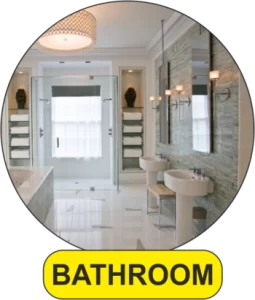
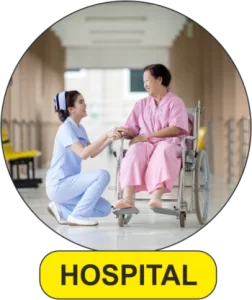


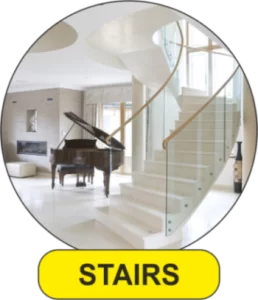
Oxon Technology works with facility owners, consultants, contractors and property managers to address slip-risk conditions across demanding floor environments.
Our approach combines surface assessment, application planning and professional treatment execution, with recommendations shaped by the substrate, moisture exposure and operating conditions.
Our treatment modifies the interaction between the floor surface and moisture to improve traction on compatible tile and stone substrates. Suitability depends on the floor material, existing finish and site conditions.
Assessment focuses on suitable tile and stone surfaces, their finish, condition and previous treatments.
The process is intended to preserve the visible floor finish rather than introduce a thick surface coating.
A professional review is recommended before application to confirm preparation and working requirements.
Floor material, traffic, cleaning routines and moisture exposure are considered together - because no two operating environments are quite the same.
Patient areas, washrooms and corridors where moisture and continuous movement require a careful surface-safety approach.
Explore solutionGuest areas, bathrooms, kitchens and pool surroundings where safety must complement the design intent.
Explore solutionEntrances, washrooms, common areas and other high-use surfaces within managed properties.
Explore solutionSelected tile and stone areas exposed to demanding traffic, cleaning and operational conditions.
Explore solutionMoisture-prone kitchen and service areas requiring substrate review and controlled preparation.
Explore solutionBathrooms, kitchens, balconies and circulation areas where existing smooth floors may require improved traction.
Explore solutionPool surrounds and associated wet zones where surface compatibility and drainage conditions matter.
Explore solutionShared spaces where traffic patterns, cleaning routines and moisture exposure should be reviewed together.
Explore solutionReview floor type, moisture exposure, traffic patterns and priority risk areas.
Confirm substrate compatibility and define the preparation and application approach.
Execute the treatment with controlled preparation and site-specific working procedures.
Provide practical recommendations for cleaning and ongoing floor maintenance.
Only reviewed items with a recorded source are published here.
Oxon Safe Grip application footage is preserved from WordPress media attachment 721, titled “OXON ANTI SLIP APPLICATION VIDEO”.
Open original media attachment →Dedicated Oxon Technology service pages are published for Bangalore, Mumbai, Delhi NCR, Hyderabad, Chennai and Pune.
Review the Bangalore service page →Two self-application options for selected tile and terrazzo surfaces. Always review the product instructions and confirm floor suitability before use.
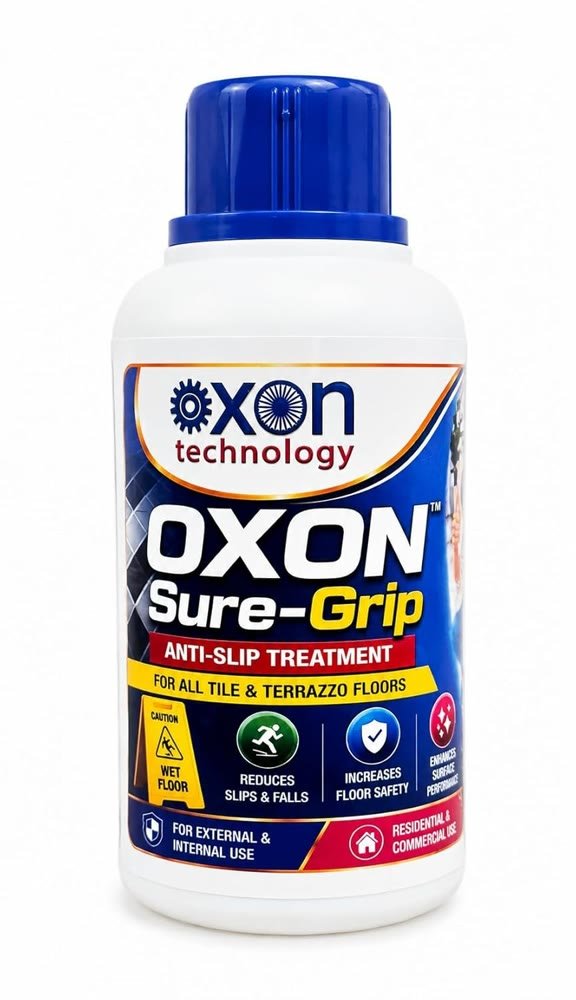
Anti-slip treatment for selected tile and terrazzo floors in residential and commercial applications.
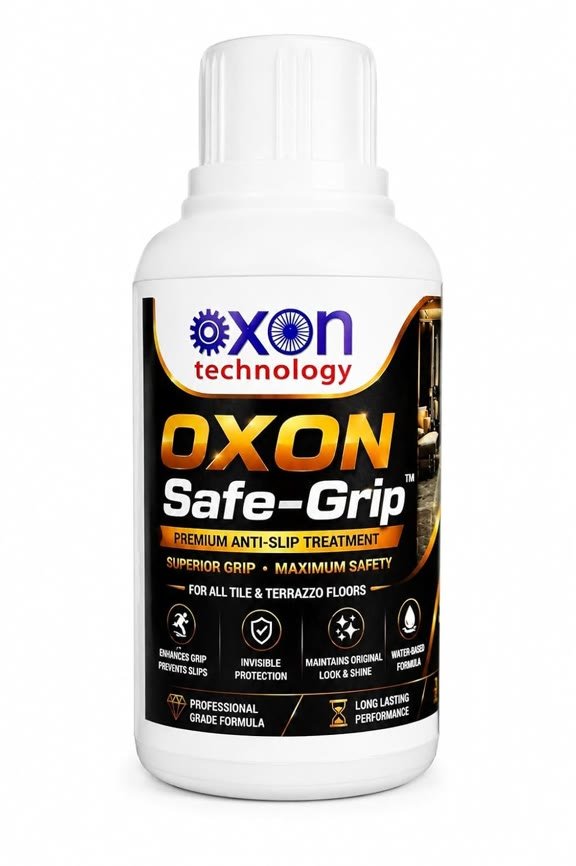
Premium anti-slip treatment developed for superior grip and long-lasting performance on selected floor types.
Professional services and self-application products are separate options. Product results depend on the floor material, condition, preparation and correct application.
For self-application products, read the full label before use, test a small inconspicuous area and use suitable protective gloves.
Need help choosing? Talk to our team →Remove dirt, grease and grime, then dry the area before application.
Use a plastic container and avoid direct skin contact. Follow the product label.
Spread with a suitable brush, roller or sponge and keep the treated area wet for the instructed contact time.
Brush and wash the surface thoroughly so no treatment residue remains.
Emergency rooms and intensive care units represent the most critical environments in a hospital. In these areas, floor safety is not merely a comfort…
Read guideThe proof of any anti-slip treatment lies in measurable results. At Oxon Technology, we document every project with professional pendulum slip resistance testing before…
Read guideAfter investing in professional anti-slip treatment, how do you maintain the safety of your floors long-term? This guide covers maintenance best practices, longevity expectations,…
Read guideShare your floor type, facility environment and priority areas. Our team will review the information and advise on the next appropriate step.
Request a Site Assessment